

Quick Checklist Before Choosing an Italian Last Name ✅
Know the meaning 📝 – Many surnames reflect professions, locations, or traits.
Check pronunciation 🔊 – Italian names have melodic sounds; make sure it’s easy to say.
Consider regional origin 🗺️ – Northern, Southern, or central Italy have distinct surname styles.
Use in context 📜 – Is it for genealogy, fiction, or legal purposes?
Avoid duplicates if unique ✨ – Some surnames are extremely common; uniqueness may matter.
Understand spelling variations ✏️ – Italian surnames can have regional or historical variants.
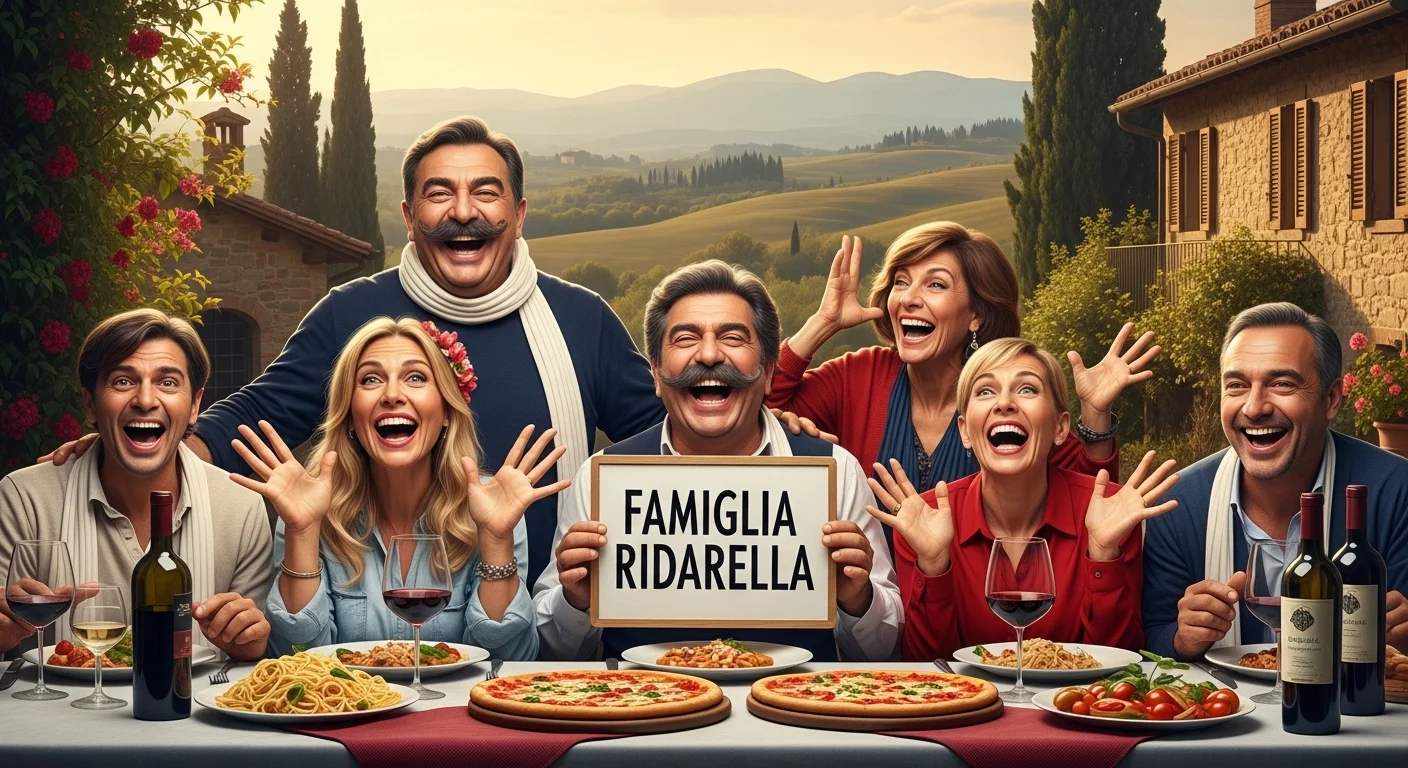
Famous Italian Last Names 🇮🇹
Rossi
Bianchi
Ferrari
Romano
Gallo
Esposito
Greco
Marino
Lombardi
Conti
Ricci
Moretti
Fontana
Santoro
De Luca
Costa
Ferrara
Rinaldi
Giordano
Martini
💬 Which of these iconic surnames would you choose for your character or family tree?
Unique Italian Last Names 🌟
Bellucci
Amato
Caruso
Vitali
Fabbri
D’Angelo
Cattaneo
Venturi
Lamberti
Malatesta
Zanetti
Capello
Montanari
Santini
De Santis
Pellegrini
Baldini
Marchesi
Fiorentino
Donati
💬 Unique surnames often reflect rich family history—do any of these catch your eye?
Regional Italian Last Names 🗺️
Northern Italy
Riva
Colombo
Ferrari
Galli
Bernardi
Bellini
Mancini
Conti
Pavesi
Vitali
Central Italy
11. Rossi
12. Bianchi
13. Moretti
14. De Angelis
15. Valentini
16. Giannini
17. Marchi
18. Bartoli
19. Fabbri
20. Ricci
Southern Italy
21. Esposito
22. Romano
23. Greco
24. De Luca
25. Santoro
26. Rinaldi
27. Caruso
28. Lombardo
29. Palermo
30. D’Agostino
💬 Exploring regional surnames can reveal historical and cultural roots. Which region inspires you most?
Italian Last Names Based on Meaning 📜
Occupational Names
Fabbri (blacksmiths)
Ferraro (ironworker)
Pastore (shepherd)
Pescatore (fisherman)
Barbiere (barber)
Descriptive Names
6. Basso (short)
7. Rosso (red-haired)
8. Gentile (kind)
9. Forte (strong)
10. Bianco (white)
Geographical Names
11. Monti (mountains)
12. Fontana (fountain)
13. Marino (sea)
14. Lombardi (from Lombardy)
15. Napoli (Naples)
💬 Surnames often tell a story—does your favorite reveal a hidden meaning?

Italian Last Names for Fiction & Storytelling ✨
De Santis
Bellini
Martelli
Caracciolo
D’Amico
Montanari
Valentini
Pellegrini
Farnese
Ricciardi
Romano
Zanetti
Greco
Santoro
Capello
Moretti
De Luca
Bianchi
Rossi
Conti
💬 Fiction writers love Italian surnames for their elegance—do any inspire a character?
How Italian Last Names Were Created 🛠️
Italian surnames usually come from three main sources:
Patronymic Origins 👨👩👧 – Based on a father’s first name, e.g., Di Giovanni (son of Giovanni).
Occupational Origins ⚒️ – Names reflect jobs, e.g., Fabbri (blacksmith), Pescatore (fisherman).
Geographical & Descriptive Origins 🗺️ – Names based on towns, regions, or personal traits, e.g., Romano (from Rome), Rosso (red-haired).
Over centuries, these names evolved and sometimes branched into regional variants or family-specific adaptations.
Tips for Choosing an Italian Last Name 🌟
Research regional origins – Northern, Central, and Southern Italy have distinct surname styles.
Check historical meaning – Many surnames carry centuries of history.
Consider pronunciation – Some names may be tricky for non-Italians.
Use for storytelling – Italian surnames add authenticity to characters or narratives.
Mix with first names – Ensure the full name flows naturally.